Slow Draining Toilet: How to Troubleshoot and Repair
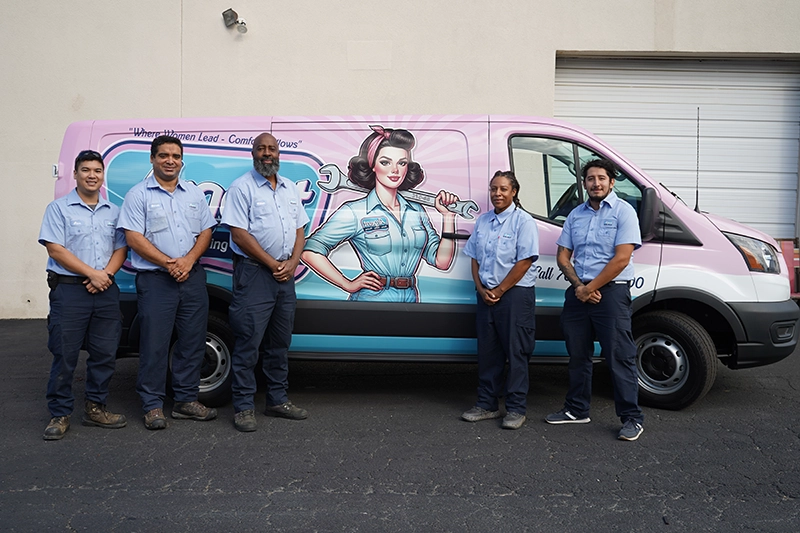
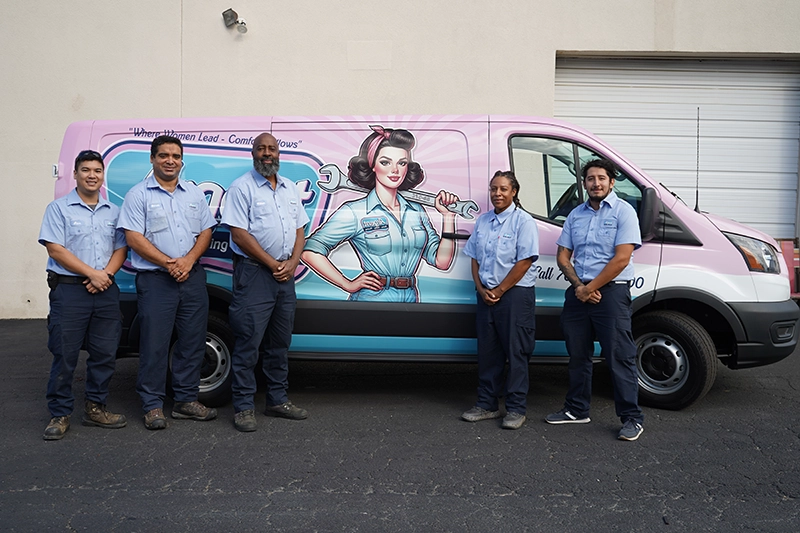
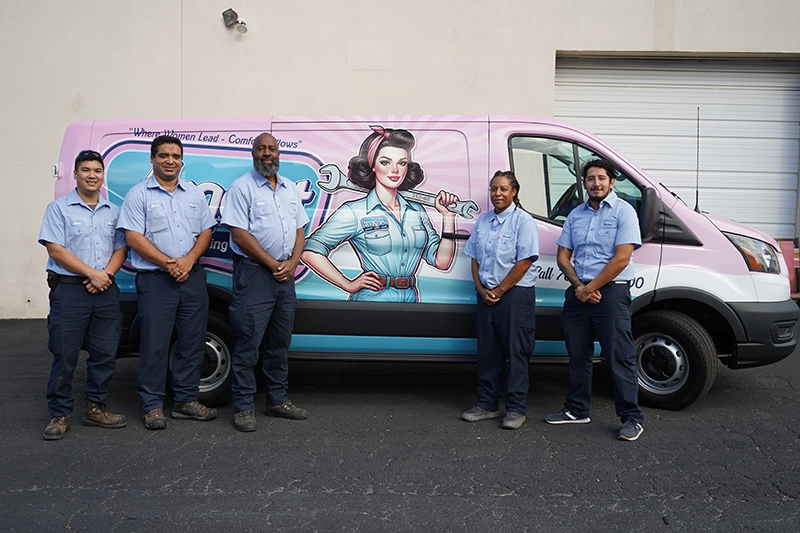
A slow-draining toilet is more than just a daily frustration—it is often the first warning sign of a severe plumbing backup. In the Washington DC Metropolitan Area, where historic homes and aging municipal pipelines are common, a sluggish flush can quickly escalate into a costly overflow if left unchecked. At Argent Heating, Cooling & Plumbing, a premier woman-owned business based in Fairfax, VA, we provide specialized residential and commercial plumbing solutions backed by the strategic support of our parent company, USA Technology LLC. We know the local plumbing infrastructure inside and out, and we are here to help you diagnose, troubleshoot, and permanently resolve slow drainage issues.
Quick Answer: Why is My Toilet Draining Slowly?
For a quick diagnosis, a slow-draining toilet is typically caused by one of five primary issues. Check these areas first:
- Partial Drain Clogs: Buildup of toilet paper or non-flushable items in the trap.
- Low Tank Water Levels: Insufficient water volume to create a powerful siphon.
- Clogged Rim Jets: Hard water mineral deposits blocking the water flow from the tank to the bowl.
- Blocked Plumbing Vents: Roof vent blockages (like leaves or bird nests) creating an airlock.
- Sewer Line Obstructions: Tree roots or debris blocking your property’s main sewer line.
5 Common Causes of a Slow-Draining Toilet in Northern Virginia
Understanding the root cause of your plumbing issue dictates the proper repair method. Here is a deeper look at what disrupts your toilet’s flushing power:
1. Hidden Pipe Clogs and “Flushable” Wipes
The most frequent cause of a slow flush is a partial blockage in the toilet’s internal trap (the curved channel at the base) or the drainpipe. While excessive toilet paper can cause this, the most common culprits in modern DMV homes are “flushable” wipes, feminine hygiene products, and dental floss. These items do not break down in water and create stubborn blockages that restrict water movement.
2. Low Water Levels in the Tank
Your toilet relies on gravity and volume to create a strong flush. If the water level in your tank is too low, it cannot generate the forceful siphon needed to clear waste. This usually happens when the float mechanism inside the tank is misaligned or damaged, causing the fill valve to shut off before the tank is adequately filled.
3. Hard Water and Mineral Scale Buildup
Many areas in Northern Virginia and the DC Metro deal with hard water. Over time, calcium and magnesium deposits accumulate around the siphon jet (the hole at the bottom of the bowl) and the rim jets (the small holes under the bowl’s rim). This mineral scale narrows the water passages, severely weakening the flushing pressure.
4. Blocked Plumbing Roof Vents
Your plumbing system requires air to equalize pressure and keep water flowing smoothly. This air is drawn through venting pipes that exit through your roof. During heavy DMV autumns, falling leaves, debris, or even bird nests can block these vents. Without proper airflow, a vacuum forms in your pipes, resulting in a sluggish, gurgling flush.
5. Main Sewer Line Issues
If you have an older home in Alexandria, Arlington, or Fairfax, tree root intrusion is a common threat to underground sewer lines. If your toilet is draining slowly and you notice issues with your shower or sink drains, the blockage is likely deep within your main sewer line, requiring immediate commercial-grade intervention.
How to Troubleshoot and Fix a Slow-Draining Toilet
Before calling for professional plumbing services, you can attempt to restore your toilet’s functionality using these step-by-step troubleshooting methods:
- Clear the Trap with a Flange Plunger: Standard cup plungers are for sinks; toilets require a flange plunger (the kind with a rubber sleeve extending from the bottom). Ensure the flange is inserted into the drain hole to create a tight vacuum seal, then plunge vigorously with vertical thrusts for 15-20 seconds.
- Break Up Stubborn Clogs with a Toilet Auger: If plunging fails, use a plumbing snake (closet auger). Insert the cable into the bowl and crank the handle clockwise. The coiled head will break apart dense clogs or snag fibrous materials like wipes so you can pull them out.
- Adjust the Tank Float: Remove the tank lid and check the water level. It should sit about a half-inch below the overflow tube. If it is lower, adjust the float mechanism. For a ball float, gently bend the metal arm upward. For a cylinder float, pinch the adjustment clip and slide the float higher on the valve shank.
- Dissolve Hard Water Deposits: To clear clogged rim jets, heat a cup of white vinegar and pour it down the overflow tube inside the tank. Let it sit for 30–60 minutes to dissolve calcium buildup. Scrub the rim jets with a stiff-bristled brush, then flush.
- Inspect the Roof Vent: If it is safe to do so, visually inspect your roof’s plumbing vent for obvious blockages like leaves or nests. If you suspect a deep vent clog, this is best left to a professional to clear safely.
Preventing Future Toilet Drainage Issues
Proactive maintenance is the best way to protect your residential or commercial plumbing system and avoid unexpected repair bills. Follow these best practices to maintain a properly functioning toilet:
- Enforce the “Toilet Paper Only” Rule: Human waste and toilet paper are the only things that belong in your toilet. Dispose of wipes, cotton swabs, and hygiene products in the trash.
- Install a Water Softening System: If hard water is a recurring issue in your neighborhood, installing a water softener will prevent mineral scale from strangling your plumbing fixtures, extending their lifespan significantly.
- Schedule Routine Plumbing Maintenance: Annual inspections by a licensed plumber can catch running toilets, hidden leaks, and slow drains before they cause water damage or inflate your utility bills.
- Check for Base Leaks: Routinely check the floor around the base of your toilet for pooling water or soft spots. A failing wax ring can compromise the vacuum needed for a strong flush and cause severe subfloor rot.
When to Call the Local Plumbing Experts at Argent
If you have tried plunging, augering, and adjusting the tank, but your toilet remains stubbornly slow, it is time to bring in the professionals. Persistent slow drainage is often a symptom of failing infrastructure, complex venting issues, or deep sewer line root intrusions.
As a subsidiary of USA Technology LLC, Argent Heating, Cooling & Plumbing brings unparalleled operational expertise and cutting-edge diagnostic tools to every service call. Whether you manage a commercial property in downtown DC or own a home in Fairfax, VA, our expert team is ready to restore your comfort.
Don’t let a slow drain turn into a major disaster. Contact us today or call our team directly to schedule fast, reliable plumbing service in the Washington DC Metropolitan Area!